
Bridging Gaps in Immunotherapies, Immune Effector Cell Therapies, and Autoimmunity
Quick Links:
About the Conference | Agenda | The Speakers | Registration | Travel Information | Questions | About Duke PTCT
About the Conference
Join us for:
Bridging Gaps in Immunotherapies, Immune Effector Cell Therapies, and Autoimmunity
Date: Thursday, 10/10/26
Conference Location:
The Karsh Alumni and Visitors Center
2080 Duke University Road
Durham, NC 27708
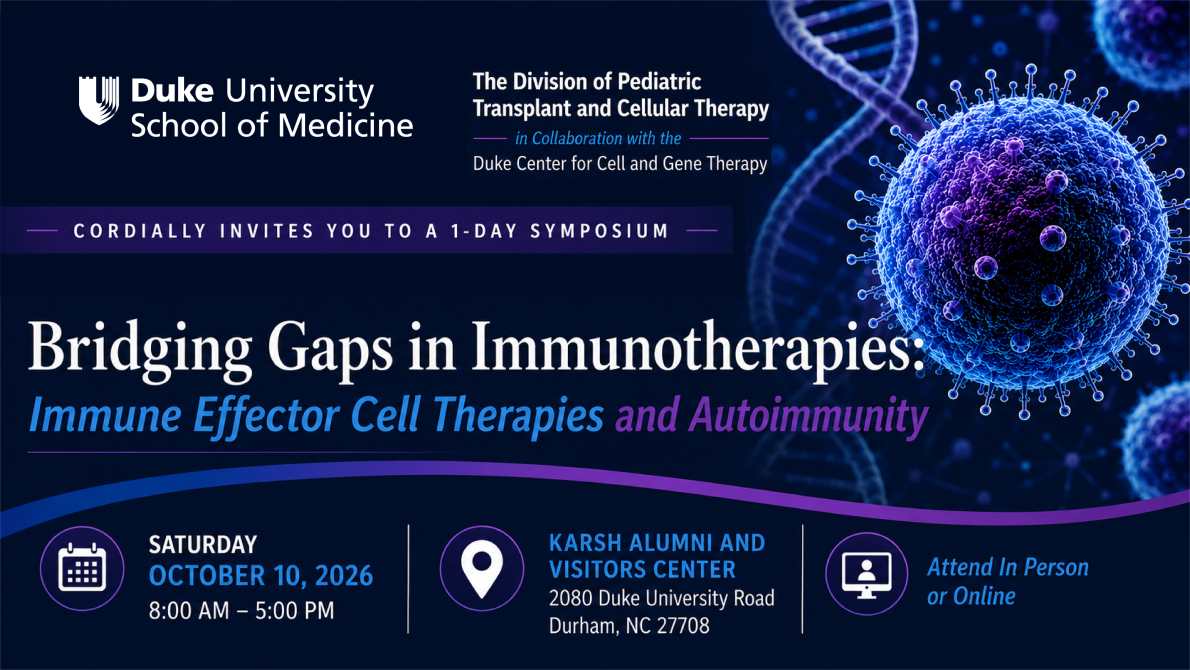
The Division of Pediatric Transplant and Cellular Therapy (PTCT) and the Center for Cell and Gene Therapy at Duke University are pleased to invite you to the one-day symposium, Bridging Gaps in Immunotherapies, Immune Effector Cell Therapies, and Autoimmunity, at the Karsh Alumni and Visitors Center Durham, North Carolina, on October 10, 2026.
About the conference: Immune Effector Cell (IEC) therapies have transformed the landscape of treatments for patients with hematologic malignancies. IEC therapy represents a scientific breakthrough with potential for broad therapeutic application and novel IEC therapies are being developed for autoimmune conditions such as lupus, myositis and ANCA associated vasculitis.
The field has experienced an exponential increase in clinical trials of cellular immunotherapies for autoimmunity. This evolution of IEC therapies from cancer to autoimmune disease therapy allows us to assess how emerging clinical data in autoimmunity provide mechanistic insights as to how antigenic target, engineered cell type, IEC construct design and treatment regimens affect the therapeutic efficacy and safety of these novel engineered cell therapies.
Understanding the unique toxicities which may be associated with these therapies in autoimmunity and developing payor policies in anticipation of regulatory approvals will help facilitate seamless integration into treatment algorithms.
We will convene experts from major academic societies and leading health centers to discuss current state and future landscape for immunotherapies and immune effector cell therapies for autoimmune diseases and review toxicities associated with immunotherapies and immune effector cell therapies for autoimmune diseases.
We aim to bring together multi and interdisciplinary learners including but not limited to physicians, advanced practice providers, nurses, pharmacists, administrators, payors, policy makers, researchers, industry partners and trainees. Continuing education credits will be available for this event (ACPE, AMA, ANCC).
Agenda
Bridging Gaps in Immunotherapies, Immune Effector Cell Therapies, and Autoimmunity agenda inlcudes.
| Time: EST | Topic | Speaker(s) |
|---|---|---|
8:30AM-8:40AM 8:40AM-9:00AM | Welcome Program Introduction and Overview | Bradley S. Marino, MD, MPP, MSCE, MBA Dr. Kris Mahadeo Dr. Chenyu Lin |
| 9:00AM-9:30AM | Autoimmunity for Cell Therapists | Moderator: Speaker: |
| 09:30AM-10:00AM | BiTE versus CAR-T in Auto-Immune Disease | Moderator: Speaker: |
10:00AM-10:30AM
10:30-10:45AM |
Spectrum of Cellular and Gene Therapies for Auto-Immune Diseases
Duke Trainee Spotlight on CAR Therapy for Stiff Person Syndrome | Moderator: Speaker: Dr. Bhavani Murugesan |
| 10:45AM-11:00AM | irAEs and Immune Check Point Inhibitors | Moderator: Speaker: |
| 11:00AM-11:15AM | Break | |
| 11:15AM-12:00PM | Increasing Access to IECs for hematologic and Auto-Immune Diseases in Developing Countries | Moderator: Speaker: |
| 12:00PM-12:15PM | Fertility Preservation in Autoimmunity | Moderator: Speaker: |
| 12:15PM-1:15PM | Lunch | |
| 1:15PM-2:00PM | Understanding Cytokine Storm through Hyperinflammation | Moderator: Speaker: |
| 2:00PM-2:30PM | Panel Discussion: Establishing an IEC and Immunotherapy Program for Auto-Immune Diseases | Moderator: Speakers: Rheumatology Patient Selection and Education: Administrative and Formulary Considerations: Fertility Preservation: Regulatory and Quality Considerations: |
| 2:30PM -2:45 PM | Break | |
| 2:45PM-3:00PM | Patient Preference Information Study: Cellular Therapy in Pediatric Rheumatic Diseases | Moderator: Dr. Shelby Reed Dr. Juan Marcos Gonzalez Sepulveda |
| 3:00PM-3:30PM | Overview of IEC Clinical Trials In Autoimmunity | Moderator: Speaker: |
| 3:30PM-4:00PM | Challenging Cases | Moderator: Panelists: Dr. Jeffrey Dvergsten Dr. Rajinder Bajwa Carmem Maria Sales Bonfim, MD, PhD Dr. Matteo Di Nardo Dr. Joseph Angelo |
| 4:00PM-4:30PM | Facilitated Discussion/Q/A | Dr. Kris Mahadeo Professor, Division Chief, Pediatric Transplant and Cellular Therapy Co-Medical Director, Duke Center for Cell and Gene Therapy Duke University |
| 4:30PM-5:00PM | Closing Reception/Networking |
The Speakers
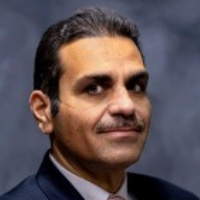
Hisham M. Abdel-Azim, MD, MS
Chief, Division of Transplant and Cellular Therapy/Hematological Malignancies; Professor of Pediatrics
Loma Linda University Cancer Center
Dr. Hisham M. Abdel-Azim is Chief of the Division of Transplant and Cellular Therapy/Hematological Malignancies at Loma Linda University Cancer Center and Professor of Pediatrics at Loma Linda University. A pediatric hematologist-oncologist and transplant physician, he leads clinical programs in hematopoietic cell transplantation, cellular therapy, and gene therapy for malignant and nonmalignant blood disorders. His research addresses transplant conditioning, donor selection, immune recovery, endothelial injury, and complications following cellular therapy. Dr. Abdel-Azim has contributed to multicenter pediatric transplant studies and consortium initiatives designed to improve safety, outcomes, and access to advanced therapies, including CAR T-cell and gene-modified treatments.
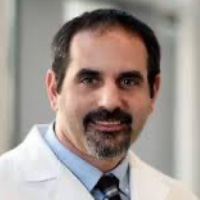
Joseph Angelo, MD
Assistant Professor of Pediatrics-Nephrology
Texas Children’s Hospital / Baylor College of Medicine
Dr. Joseph Angelo is a pediatric nephrologist and an Assistant Professor of Pediatrics in the Division of Nephrology at Baylor College of Medicine, practicing at Texas Children’s Hospital. His clinical and research efforts focus on pediatric nephrology, with a specific interest in critical care nephrology and managing acute kidney injury in complex patient populations. Within multidisciplinary teams, he collaborates closely with pediatric oncology, stem cell transplantation, and critical care specialists to address the short- and long-term renal complications associated with intensive cancer treatments and immune effector cell therapies. Dr. Angelo’s work emphasizes the integrated, cross-departmental care required to support organ function and improve safety outcomes for children undergoing advanced cellular therapies.
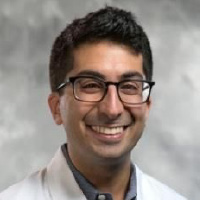
Kaveh Ardalan, MD, MS
Assistant Professor of Pediatrics, Division of Rheumatology
Duke University School of Medicine
Dr. Kaveh Ardalan is an Assistant Professor of Pediatrics in the Division of Rheumatology at Duke University School of Medicine. His clinical interests include juvenile myositis, systemic lupus erythematosus, and scleroderma. He serves as Co-Director of the Duke Children’s Myositis Center and co-leads the Duke Pediatric Lupus Clinic. His research examines patient-reported outcomes, mental health, cardiovascular risk, and other factors that shape the long-term experience of children with rheumatic disease. At this symposium, Dr. Ardalan contributes a patient-centered perspective on selecting candidates for emerging cellular therapies and evaluating outcomes beyond disease activity alone.
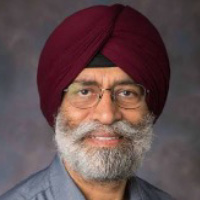
Rajinder P.S. Bajwa, MD
Pediatric Hematologist-Oncologist
Nationwide Children’s Hospital
Rajinder P.S. Bajwa, MD, is a pediatric hematologist-oncologist specializing in blood and marrow transplantation and cellular therapy at Nationwide Children’s Hospital. His clinical interests include bone marrow failure syndromes and hematopoietic stem cell transplantation. His research focuses on veno-occlusive disease, steroid-refractory acute graft-versus-host disease, graft failure, reduced-intensity conditioning for nonmalignant disorders, and long-term health outcomes among transplant survivors. Dr. Bajwa also oversees the comprehensive BMT long-term follow-up clinic and serves as Co-Chair of the PALISI-HCT Clinical Investigations Committee. He completed his pediatric residency and hematology-oncology fellowship training in Buffalo, New York.
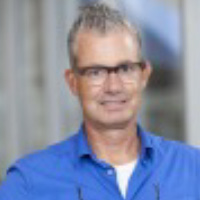
Jaap-Jan Boelens, MD, PhD
Chief, Pediatric Transplant and Cellular Therapy Service
Memorial Sloan Kettering Cancer Center
Dr. Jaap-Jan Boelens is Chief of the Pediatric Transplant and Cellular Therapy Service at Memorial Sloan Kettering Cancer Center. A pediatric hematologist-oncologist, he specializes in bone marrow and cord blood transplantation and cellular and gene therapies for children and young adults with malignant and nonmalignant blood disorders. His research focuses on individualized conditioning, pharmacokinetic-guided dosing, donor and graft selection, immune recovery, and strategies to reduce transplant-related toxicity. Dr. Boelens leads international collaborations aimed at improving survival and quality of life after transplantation, particularly for children with rare genetic, metabolic, and immune disorders.
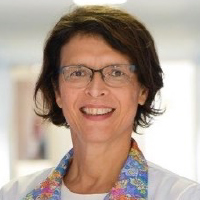
Carmem Maria Sales Bonrim, MD, PhD
Professor of Pediatrics; Scientific Director, Pediatric Transplant and Cellular Therapy Program
Duke University School of Medicine
Dr. Carmem Maria Sales Bonfim is Professor of Pediatrics and Scientific Director of the Pediatric Transplant and Cellular Therapy Program at Duke University School of Medicine. An internationally recognized pediatric hematologist and transplant physician, she specializes in hematopoietic cell transplantation for inherited and acquired bone marrow failure syndromes, primary immunodeficiencies, hemoglobinopathies, and other nonmalignant disorders. Her clinical and research interests include haploidentical transplantation, innovative cellular therapies, and expanding access to curative transplant approaches for children worldwide.
In addition to her leadership at Duke, Dr. Bonfim maintains longstanding academic and collaborative roles in Brazil and serves in numerous international leadership positions within the fields of blood and marrow transplantation and cellular therapy. Her work has advanced global collaboration, clinical research, and education while promoting equitable access to transplantation and cellular therapies in developing healthcare systems. At this symposium, Dr. Bonfim brings internationally recognized expertise in pediatric transplantation, immune reconstitution, and the evolving role of cellular therapies for children with malignant and nonmalignant diseases.
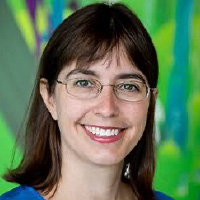
Susan Canny, MD
Assistant Professor of Pediatrics, Division of Rheumatology
Seattle Children’s Hospital
Dr. Susan Canny is a pediatric rheumatologist and physician-scientist at Seattle Children’s Hospital. Her work focuses on immune dysregulation, inflammatory disease, and the biological pathways that drive severe pediatric autoimmune conditions. She combines clinical care with research aimed at improving disease classification and identifying more precise treatment strategies. As cellular therapies begin to emerge for refractory autoimmune disease, Dr. Canny’s expertise contributes to understanding appropriate patient selection, immune mechanisms, outcome measurement, and the long-term questions that must be addressed in children
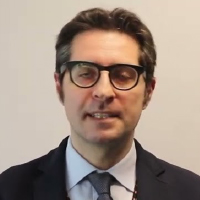
Matteo Di Nardo, MD
Pediatric Intensive Care Unit
Children’s Hospital Bambino Gesù
Matteo Di Nardo, MD, is a pediatric intensivist and Head of the ECMO, Trauma, and Burn Center at Bambino Gesù Children’s Hospital in Rome, Italy. He specializes in caring for critically ill children requiring advanced cardiopulmonary support, including extracorporeal membrane oxygenation. His clinical and research interests include pediatric ECMO, extracorporeal life support, respiratory failure, prevention of ventilator-induced lung injury, and critical care support for children undergoing hematopoietic cell transplantation and immune effector cell therapy. Dr. Di Nardo completed his medical and specialty training in anesthesiology and intensive care at the Catholic University of the Sacred Heart in Rome.
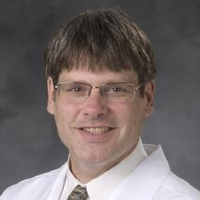
Jeffrey A. Dvergsten, MD
Professor of Pediatrics, Division of Pediatric Rheumatology
Duke University School of Medicine
Jeffrey A. Dvergsten, MD, is Professor of Pediatrics in the Division of Pediatric Rheumatology at Duke University School of Medicine. He is board-certified in both pediatrics and pediatric rheumatology. His clinical and research interests include juvenile dermatomyositis, juvenile idiopathic arthritis, chronic nonbacterial osteomyelitis, autoinflammatory conditions, and the pathogenesis of pediatric inflammatory diseases. Dr. Dvergsten earned his medical degree from the University of Minnesota and completed his pediatric rheumatology fellowship at the Children’s Hospital of Pittsburgh.
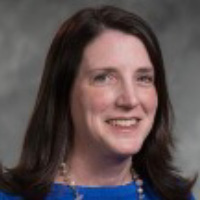
Erika Goeckerman, MSN, CPNP-AC
APP Team Lead, Pediatric Transplant and Cellular Therapy
Duke University School of Medicine
Erika Goeckerman, MSN, CPNP-AC, is a board-certified pediatric acute care nurse practitioner specializing in pediatric stem cell transplantation and cellular therapy at Duke Health. She provides care to children with malignant and nonmalignant hematologic disorders, immune deficiencies, and metabolic disorders. Goeckerman supports patients and families throughout the transplant journey, beginning with evaluation and continuing through treatment and follow-up. She earned her Master of Science in Nursing from Duke University and practices at Duke Children’s Hospital and the Duke Children’s Health Center Bone Marrow Transplant Clinic.
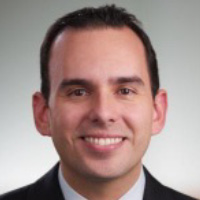
Juan Marcos Gonzalez, PhD
Associate Professor of Population Health Sciences
Duke University School of Medicine
Dr. Juan Marcos Gonzalez is an Associate Professor in the Department of Population Health Sciences at Duke University School of Medicine. He is an expert in designing stated-preference surveys and applying advanced statistical methods to understand how patients, clinicians, and other stakeholders weigh treatment benefits and risks. His research supports transparent benefit-risk evaluation, shared decision-making, and the incorporation of patient preferences into medical product development and regulatory decisions. At this symposium, Dr. Gonzalez contributes methods for understanding how patients value potential benefits, toxicities, uncertainty, and treatment burden as immune effector cell therapies expand into autoimmune disease.
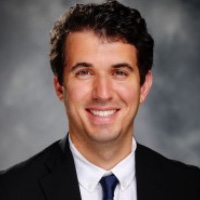
Jacob Keller, MHA
Director, Oncology Operations
Director, Center for Cell and Gene Therapy Duke University
Duke Cancer Institute
Jacob Keller serves as Director of Cell and Gene Therapy at Duke Cancer Institute, providing administrative leadership for the development and delivery of advanced cellular therapy programs. His work brings together clinical operations, formulary and program strategy, reimbursement access, quality, and multidisciplinary coordination across hematologic malignancies. Before assuming leadership roles in oncology at Duke, he completed an administrative fellowship at Duke University Hospital and held healthcare administration positions focused on complex clinical programs. Keller’s perspective at this symposium centers on the administrative infrastructure and formulary oversight required to translate innovative immune effector cell therapies into safe, coordinated, and sustainable patient care.
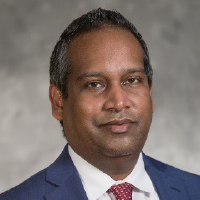
Kris M. Mahadeo, MD, MPH
Chief, Division of Pediatric Transplant & Cellular Therapy; Professor of Pediatrics
Duke University School of Medicine
Dr. Kris M. Mahadeo is Chief of the Division of Pediatric Transplant & Cellular Therapy and Professor of Pediatrics at Duke University School of Medicine. He is a pediatric transplant physician whose clinical and research work focuses on expanding indications for hematopoietic cell transplantation and cellular therapy while reducing treatment-related toxicity. His interests include CAR T-cell therapy, high-risk hematologic malignancies, hemoglobinopathies, congenital athymia, endothelial complications, sinusoidal obstructive syndrome, and post-transplant lymphoproliferative disease. Dr. Mahadeo also leads global efforts to harmonize toxicity management and is committed to advancing innovative clinical trials, survivorship care, and international training partnerships.
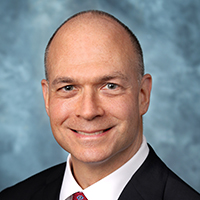
Brad Marino, MD, MPP, MSCE, MBA
Chair, Department of Pediatrics
Duke University School of Medicine
Dr. Bradley S. Marino is Chair of the Department of Pediatrics at Duke University School of Medicine and Pediatrician-in-Chief of Duke Health. An internationally recognized pediatric cardiologist, critical care physician, and cardiovascular outcomes researcher, Dr. Marino is dedicated to improving outcomes for children with congenital and acquired heart disease. His research examines factors affecting survival and morbidity following pediatric cardiac surgery and intensive care, with particular emphasis on neurodevelopmental, psychosocial, functional, and quality-of-life outcomes. Before joining Duke, Dr. Marino held several senior leadership positions at Cleveland Clinic Children’s and previously served on the faculty of Northwestern University Feinberg School of Medicine. He is also widely recognized for his contributions to pediatric health policy, advocacy, mentorship, and faculty development.
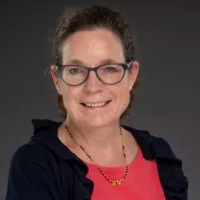
Jennifer McArthur
Associate Member, Division of Critical Care Medicine
St. Jude Children’s Research Hospital
Dr. Jennifer McArthur is a pediatric critical care medicine physician and an Associate Member of the faculty at St. Jude Children’s Research Hospital. Her clinical and research efforts focus on optimizing supportive care and improving outcomes for critically ill children undergoing intensive cancer treatment, hematopoietic stem cell transplantation, and cellular therapies. Within multidisciplinary teams, she contributes to clinical practice, education, and the development of safety protocols to help vulnerable patients navigate complex treatment trajectories. Her professional and conference contributions emphasize the critical role of intensive care specialists in early complication recognition, multidisciplinary care coordination, and the safe translation of rapidly evolving immune effector cell therapies into bedside practice.
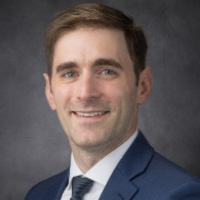
David McCall, MD
Assistant Professor of Pediatrics
The University of Texas MD Anderson Cancer Center
Dr. David McCall is an Assistant Professor in the Division of Pediatrics at The University of Texas MD Anderson Cancer Center. He is a pediatric hematologist-oncologist whose clinical and research work includes pediatric leukemia, hematopoietic stem cell transplantation, cellular therapy, and the management of critically ill children receiving cancer-directed treatment. He has contributed to research on acute myeloid leukemia, transplant outcomes, and multidisciplinary guidance for pediatric CAR T-cell therapy. His work emphasizes translating clinical evidence into coordinated, safer care for children and adolescents undergoing intensive therapy.
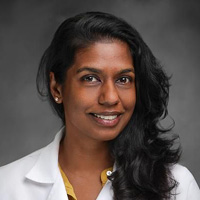
Bhavani Murugesan, MD
Adult Neurology Resident Transplantation
Duke University
Bhavani Murugesan is an adult neurology resident at Duke University Medical Center. Dr. Murugesan earned a medical degree from SUNY Upstate Medical University and has contributed to scholarly work spanning neurology, psychiatry, and transplantation. Recent work presented at the American Academy of Neurology examined myeloneuropathy associated with nutritional deficiencies and gastrointestinal disease. Dr. Murugesan’s clinical training and academic interests emphasize the evaluation of complex neurological conditions and the relationship between neurologic and systemic disease.
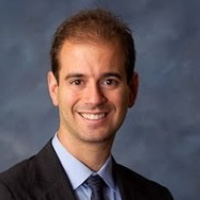
Joseph Oved, MD
Associate Professor of Medicine and Pediatrics, Division of Pediatric Hematology, Oncology, and Stem Cell Transplantation
Columbia University
Dr. Joseph Oved is a pediatric hematology-oncology and transplant specialist at Columbia University. His clinical and academic interests include hematopoietic stem cell transplantation, cellular therapy, immune complications, and the care of children with high-risk malignant and nonmalignant disorders. He contributes to multidisciplinary treatment planning and research designed to improve safety and outcomes for patients receiving intensive immune-based therapies. Dr. Oved’s perspective is grounded in the practical challenges of translating rapidly advancing transplant and cellular therapy science into coordinated pediatric care.
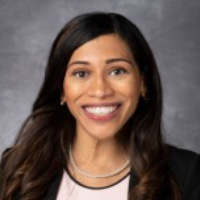
Dristhi Ragoonanan, MD
Pediatric Hematologist-Oncologist
Cure 4 The Kids Foundation / Roseman University of Health Sciences
Dr. Dristhi Ragoonanan is a pediatric hematologist-oncologist whose work focuses on children and young adults with cancer and serious blood disorders. Through Cure 4 The Kids Foundation and academic affiliation with Roseman University of Health Sciences, she contributes to multidisciplinary care, clinical education, and efforts to improve access to specialized pediatric oncology services. Her interests include supportive care, survivorship, treatment complications, and the integration of emerging therapies into pediatric practice. She brings a patient-centered perspective to discussions of immune effector cell therapy and the systems needed to support children and families throughout treatment.
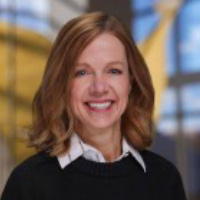
Shelby D. Reed, PhD, RPh
Professor of Population Health Sciences and Medicine
Duke University School of Medicine
Dr. Shelby Reed is Professor of Population Health Sciences and Medicine at Duke University School of Medicine. She directs the Center for Informing Health Decisions and leads population health sciences activities at the Duke Clinical Research Institute. A health economist and outcomes researcher, she has more than two decades of experience evaluating the clinical, economic, and patient-centered impact of medical interventions. Her work includes cost-effectiveness analysis, health services research, and patient-preference studies. For this symposium, Dr. Reed brings expertise in assessing value, affordability, access, and the evidence needed to guide responsible adoption of high-cost immune effector cell therapies.
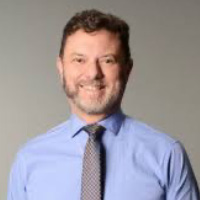
Vanderson Rocha, MD, PhD
Professor and Head of Hematology, Hemotherapy and Cell Therapy
University of São Paulo School of Medicine
Dr. Vanderson Rocha is Professor and Head of Hematology, Hemotherapy and Cell Therapy at the University of São Paulo School of Medicine. An internationally recognized hematologist and transplant physician, he has made major contributions to hematopoietic stem cell transplantation, particularly umbilical cord blood transplantation, donor selection, and outcomes research. His current work also includes the development of cellular and gene-based therapies, including CAR T-cell approaches, within Brazil’s academic health system. Dr. Rocha has led international collaborations across Europe and Latin America and brings extensive experience in clinical research, program development, and expanding access to advanced therapies for patients with malignant and nonmalignant blood disorders.
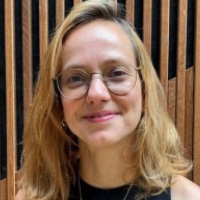
Juliana Silva, MD
Consultant, Bone Marrow Transplantation
Great Ormond Street Hospital for Children NHS Foundation Trust
Dr. Juliana Silva is a consultant in the Bone Marrow Transplantation Unit at Great Ormond Street Hospital for Children in London. She cares for children undergoing hematopoietic stem cell transplantation for malignant, nonmalignant, and immune-mediated disorders and contributes to the delivery of complex cellular therapies. Her academic work includes collaborative research on pediatric transplant outcomes, immune complications, viral infections, and supportive care, as well as studies involving CAR T-cell therapy and post-treatment hematologic recovery. Dr. Silva brings a multidisciplinary pediatric perspective to the safe integration of transplantation and immune effector cell therapies, with particular attention to treatment complications, long-term recovery, and coordinated family-centered care.
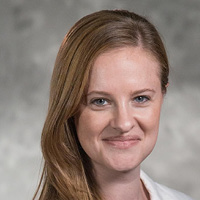
Tara Streich-Tilles, MD, MPH
Assistant Professor of Obstetrics and Gynecology and Pediatrics
Duke University School of Medicine
Tara Streich-Tilles, MD, MPH, is Director of the Pediatric and Adolescent Gynecology Program at Duke Health and an Assistant Professor of Obstetrics and Gynecology and Pediatrics at Duke University School of Medicine. She is board certified in obstetrics and gynecology and holds a focused practice designation in pediatric and adolescent gynecology. Dr. Streich-Tilles earned her medical degree from Albany Medical College and her Master of Public Health from Yale University. She completed her residency at Wake Forest Baptist Medical Center and a fellowship in pediatric and adolescent gynecology at Cincinnati Children’s Hospital Medical Center. Her clinical work focuses on the comprehensive reproductive and gynecologic care of children, adolescents, and young adults.
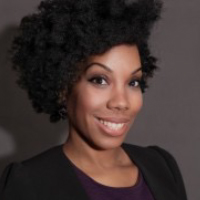
LaTarsha Spencer
Program/Quality Manager, Duke Cancer Institute
Duke University
LaTarsha Spencer is the Quality Manager for the Adult and Pediatric Bone Marrow Transplant Program at Duke University. She is an experienced clinical research and quality professional with a background in pediatric oncology, stem cell transplantation, and cellular therapy. Her work supports quality management, regulatory and accreditation readiness, program documentation, staff education, and coordination across clinical, research, and administrative teams. She has also contributed expertise in clinical data management, study coordination, and trial oversight. For this symposium, Spencer’s presentation, "Regulatory and Quality Considerations," will highlight the quality systems and operational discipline required to introduce innovative immune effector cell therapies safely, consistently, and in alignment with program standards
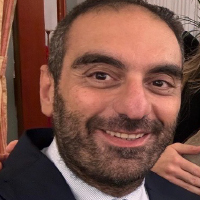
Francesco Paolo Tambaro, MD, PhD
Director, Hematopoietic Stem Cell Transplantation and Cellular Therapy Unit
AORN Santobono-Pausilipon, Naples, Italy
Dr. Francesco Paolo Tambaro is Director of the Hematopoietic Stem Cell Transplantation and Cellular Therapy Unit at AORN Santobono-Pausilipon in Naples, Italy. A pediatric hematologist-oncologist and transplant physician, he leads care for children with malignant, nonmalignant, and immune-mediated disorders requiring stem cell transplantation or advanced cellular therapy. His experience includes hematopoietic cell transplantation, CAR T-cell therapy, and the prevention and management of transplant-related complications. Dr. Tambaro contributes to Italian and international collaborative research and consensus work and brings extensive program leadership experience, including prior clinical work at The University of Texas MD Anderson Cancer Center.
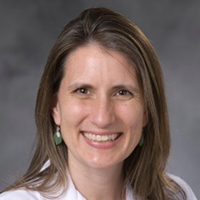
Heather Ann Van Mater, MD
Chief, Division of Rheumatology; Associate Professor of Pediatrics
Duke University School of Medicine
Dr. Heather Van Mater is Chief of the Division of Rheumatology and Associate Professor of Pediatrics at Duke University School of Medicine. A pediatric rheumatologist, she cares for children with complex autoimmune and inflammatory disorders, including central nervous system vasculitis, autoimmune encephalitis, juvenile arthritis, and systemic vasculitis. Her work combines subspecialty clinical care with health services research and multidisciplinary collaboration. For this symposium, Dr. Van Mater brings expertise in evaluating immune-mediated disease, defining meaningful clinical outcomes, and considering how emerging immune effector cell therapies may be integrated safely and thoughtfully into pediatric autoimmune care.
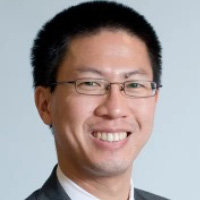
Andrew Yee, MD
Clinical Director, Center for Multiple Myeloma; Assistant Professor of Medicine, Harvard Medical School
Massachusetts General Hospital / Mass General Brigham Cancer Institute
Dr. Andrew Yee is Clinical Director of the Center for Multiple Myeloma at Massachusetts General Hospital and Assistant Professor of Medicine at Harvard Medical School. He is a hematologist-oncologist specializing in multiple myeloma and related plasma cell disorders. His clinical and research work focuses on developing and evaluating new treatment strategies, including targeted agents, antibody-based therapies, and immune effector cell approaches such as BCMA-directed CAR T-cell therapy. Dr. Yee participates in clinical trials across the disease course and works to improve treatment selection, response durability, symptom management, and quality of life for patients receiving increasingly complex combinations of myeloma therapies.
Register Now : Join Us
Course-faculty will attend in-person at Duke University. Registered inter-disciplinary learners will have the option to attend in person or join via webinar. Inter-disciplinary learners from across the globe including pediatric sub-specialty physicians, nurse, advance practice providers, pharmacists and trainees will be expected to attend and obtain continuing education credits for this symposia.
Travel Information
We recommend that you fly into Raleigh Durham (RDU) Airport by the afternoon of Friday October 9th.
JB Duke Hotel
230 Science Drive, Durham NC 27708
JB Duke Hotel in Durham, North Carolina - ReservationCounter.com
Washington Duke Inn and Golf Club
3001 Cameron Boulevard, Durham North Carolina, 27705
Washington Duke Inn & Golf Club in Durham, North Carolina - ReservationCounter.com
AC Hotel Durham
2800 Erwin Road, Durham, North Carolina, 27705
Hotel in Durham NC near Duke | AC Hotel Durham (marriott.com)