
Alumni Spotlight: Dr. Tamera Coyne-Beasley
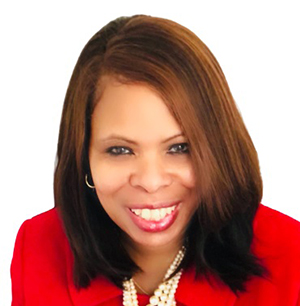
Tamera Coyne-Beasley, MD, MPH, FAAP, FSAHM, recently spoke at the Duke Pediatrics Grand Rounds. The ten lessons she shared with trainees are outlined below.
Ten Lessons That Shaped My Journey
When Dr. Coyne-Beasley looked back at her career and life, the most meaningful lessons didn't come from textbooks or lecture halls. They came from experiences – on basketball courts, in community centers, at Duke, and even halfway across the world. These moments taught her what it truly means to serve, lead, and inspire young people. Today, she shares these lessons that have guided her journey.
Lesson #1: There's Always Time to Give to Others Meaningfully
At Brown University, I played basketball and was a member of the first Women's Ivy League Championship team. During medical school, I coached boys' and girls' adolescent basketball teams at the W.D. Hill Recreation Center in Durham, North Carolina. Coaching wasn't just about drills and game plans; it was about building relationships, confidence, leadership skills, teamwork, and improved mental and physical health. We had sleepovers, shared meals, and created a safe space where young people could feel seen, heard, and supported.
As pediatricians, we have a unique privilege: we see patients throughout their lives during critical developmental periods. When we step outside the clinic and invest in their lives, we help them build resilience. Giving your time, whether through mentorship, coaching, building relationships, or community engagement, can change a young person's trajectory.
Lesson #2: Exposure Creates Possibility
Many of the adolescents I coached had never imagined careers in health care. But by working together, observing what I did, and hearing my story, they began to dream of other possibilities. Today, many of them went to college, some of them work in health care, and some became physicians.
The same was true for me. I planned to work in a community health center until someone introduced me to the idea of a career in academic medicine. That single conversation, which led to a Robert Wood Johnson Clinical Scholars fellowship program, opened a door I hadn't considered. Opportunities to see and experience new paths are critical, for our patients and for ourselves. Never underestimate the power of exposure.
Lesson #3: Exploring the World Opens Pathways to Growth
One of the most transformative experiences of my life was a four-month elective in Tanzania. There, I encountered diseases I had only read about – malaria, helminth infections, leprosy – and witnessed the devastating impact of HIV/AIDS in low-resourced settings. That experience sparked my interest in infectious diseases and deepened my commitment to global health.
Travel taught me something else: every community has wisdom to share. Whether in Tanzania or Alabama, I've always sought out community elders and mentors to learn what truly matters to the people I serve. These lessons remind us that medicine isn't just science – it's culture, context, and connection.
Lesson 4: Let Scientific Inquiry and Evidence Guide Your Path
My career has been a story of following the science. I began studying sexually transmitted infections before we knew that human papillomavirus (HPV) existed. Once discovered, I then focused on HPV as it was determined that HPV infection was a causative agent in cervical, vaginal, vulvar, anal, and oropharyngeal cancer. In 2006, an HPV vaccine was licensed and recommended for the prevention of genital warts, cervical, vaginal, and vulvar cancer. I then became involved in HPV vaccine research and other vaccine research. If you had asked me decades ago what my research would be, I never would have imagined vaccines. Science and evidence led me there, and they may lead you down different pathways too, if you stay curious and open.
Lesson 5: Mentoring, Coaching, and Sponsorship Are Transformational
Dr. Samuel Katz believed in me and invested in my growth. That support changed my trajectory. Mentorship isn't just guidance – it includes opportunity. Seek mentors and coaching, be a mentor, and remember that even small acts of sponsorship can transform lives. Dr. Katz's sponsorship gave me the opportunity to serve in a national role, where I participated in developing vaccine policy for the United States and where my vaccine research and expertise had a significant impact.
Lesson 6: Collaboration Creates Innovation
No meaningful solution comes from a single person. When addressing gun safety, I partnered with grassroots organizations, public health professionals, gun owners, and community members and leaders to create "Love Our Kids, Lock Our Guns" – a campaign that fostered safe firearm storage. Collaboration across perspectives promotes deeper understanding and the opportunity for sustainable change.
Lesson 7: Be Courageous
Two of my heroes, Dr. Charles Johnson and Dr. Brenda Armstrong, modeled courage every day, challenging injustice and standing firm in their values. Today, we need that same courage to advocate for children and communities. Fearlessness in the face of hard truths is how progress happens.
Lesson 8: Give Back to the Communities That Shaped You
Your time, talents, and treasures matter. All communities deserve your support, especially those that are underserved and support your growth. These communities need your investment. Whether through volunteering, advocacy, or mentorship, giving back strengthens the very foundation of our work and strengthens others.
Lesson 9: Lead With Intellect and Heart
Our work is hard, and it will get harder. But intellect alone isn't enough. Pair it with heart – care, concern, and tenacity. In sports, "heart" also means grit and perseverance. In medicine, it implies empathy and commitment. Lead with both, and you'll make an impact.
Lesson 10: Have Faith, Be Kind, and Be Grateful to Those Who Inspire You
When I reflect on the people and experiences that shaped my journey, one truth stands out: none of us succeed alone. Behind every achievement are mentors, advocates, and communities that believed in us. Faith is also what sustains us. That's why Lesson 10 is simple but profound: have faith, be kind, and be grateful.
From Durham to Tanzania, from basketball courts to research labs, these lessons have shaped my life and career. They remind us that medicine is more than science; it's relationships, courage, and community. And they challenge us to keep learning, keep giving, and keep leading with heart. Whether you're a pediatrician, a student, or a leader in any field, these principles will guide you toward meaningful impact. Follow the science, invest in people, collaborate boldly, and never forget the power of the heart and faith.
About Dr. Tamera Coyne-Beasley
Dr. Tamera Coyne-Beasley is the Derrol Dawkins MD Endowed Chair in Adolescent Medicine, Vice Chair of Pediatrics for Community Engagement, and Professor of Pediatrics and Internal Medicine at the University of Alabama at Birmingham and Children's of Alabama. She completed medical school and a Med-Peds residency at Duke University. Her research, academic, community engagement, and policy and program development focus on adolescent health and well-being, sexual and reproductive health, risk behaviors and resiliency, global health, disaster and pandemic preparedness, firearm injury prevention, immunizations and health equity. She is a past president of the Society for Adolescent Health and Medicine and the president-elect of the Academic Pediatric Society. She serves on the Duke Medical Alumni Council.